
Dangerous goods shipping | GHS, CAS, TDG component and classification

Last time, little Gulls popular science for you GHS, CAS, TDG
This time, the Gulls show you
Components and applications of GHS, CAS and TDG
How do I Query GHS, CAS, and TDG? In which files is this encoding used?
01、GHS
When do I need GHS?
1. The products to be inspected shall be labeled with GHS to provide GHS labels and affixed to the goods.
2. The common point between the export and import of dangerous goods is that they both need to make hazardous characteristics classification identification report (hereinafter referred to as hazardous report), and GHS label should be pasted on the outer package.
Components of GHS tag:
The elements of GHS label include chemical label, pictograph, signal word, danger description, precaution description, emergency consultation telephone, supplier label and information reference prompt.
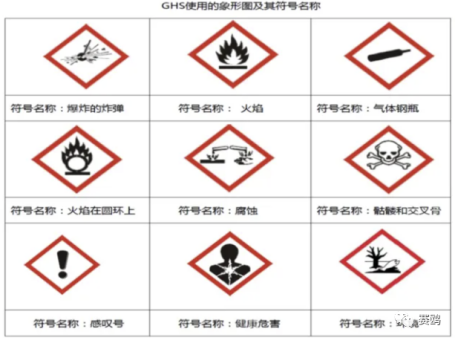
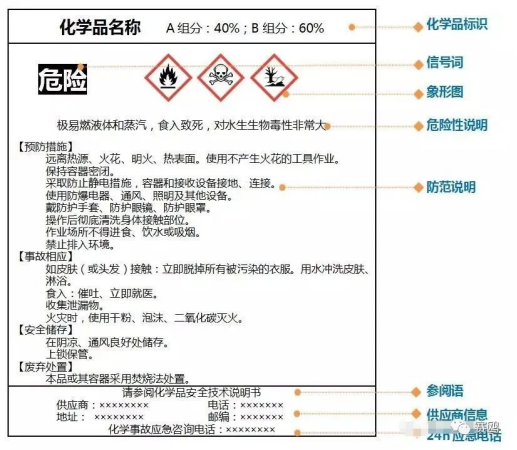
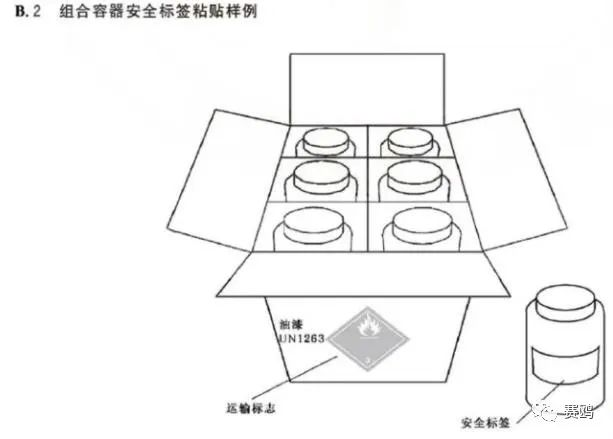
02, CAS
CAS Registry Number (CAS Number, CAS Rn, CAS #), also known as the CAS accession number, It is the unique digital identification number of a substance (compound, polymer material, Biological sequences, mixture or alloy).
Components of CAS code:
It is divided into three parts, the first part has 2 to 7 digits, the second part has 2 digits, and the third part has 1 digit as the check code.
Check the CAS website: Love Chemistry
What files do CAS codes often appear in?
1. CAS code shall be provided for component information in MSDS
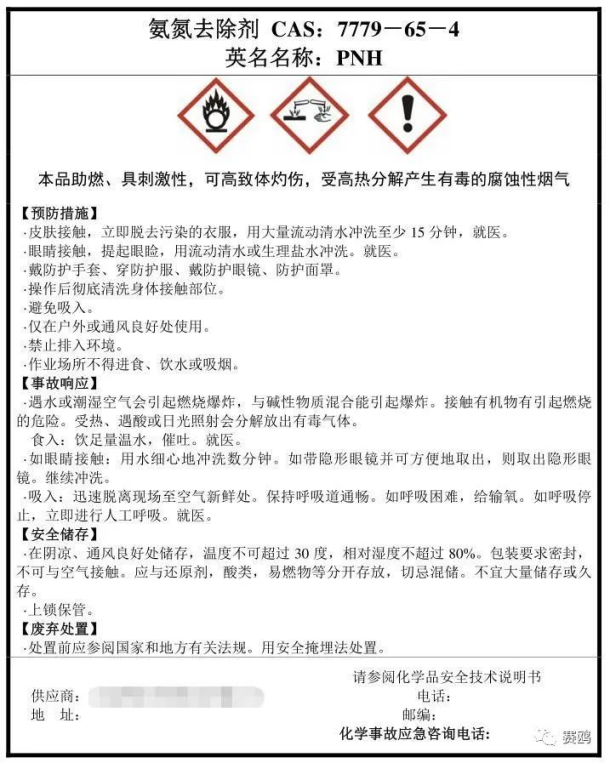
03, TDG
In TDG, dangerous goods are divided into 9 categories according to their risk or the most important risk, and some categories are further divided into more than one category. The order of numbers for categories and items is not the order of danger.
TDG falls into the following 9 categories:
Class 1: Explosive substances or articles
Class 2: Gas, flammable gas, non-flammable non-toxic gas, toxic gas
Class 3: Flammable liquids
Class 4: Flammable solids; A substance prone to spontaneous combustion; Substances that give off flammable gases in contact with water, flammable solids, substances that are prone to spontaneous combustion, substances that give off flammable gases in contact with water
Class 5: Oxidizing substances, organic peroxides, oxidizing substances, organic peroxides
Class 6: Toxic and infectious substances
Class 7: Radioactive material
Class 8: Corrosive substances
Class 9: Miscellaneous HAZARDOUS substances and articles, including substances harmful to the environment
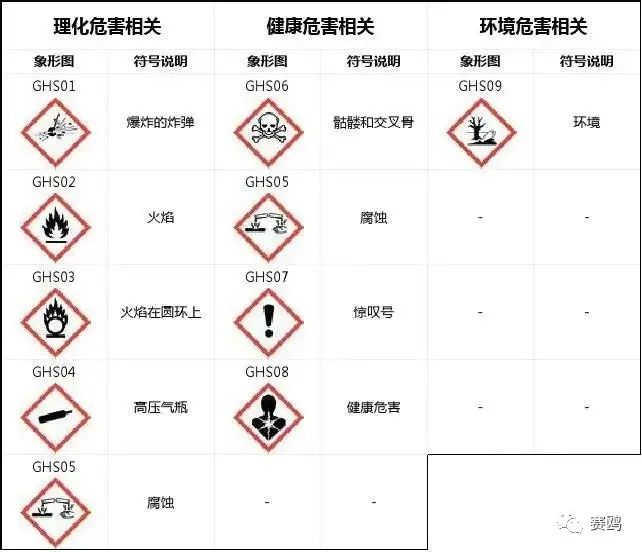
Read GHS, CAS, TDG graphic
It must have deepened your understanding, too?
Shipping dangerous goods and new energy vehicles for China-Europe freight trains
That's our ace in the hole
If you have any questions, please feel free to consult us
Contact: 0755-22673126
Email address: info@overseagull.com

Long press the two-dimensional code to follow
Photo credit: 360 Pictures
Key words: GHS, CAS, TDG, shipping, dangerous goods shipping, flammable, explosive, corrosion, new energy vehicles, China-Europe freight train
 Phone:+86 0755-22673126
 Email:info@overseagull.com
 Address:No.12A, No.5 Golf avenue, Guangpei community, Guanlan street, Longhua district, Shenzhen, Guangdong province, China